Guides & tutorials
Guides and tutorials to get started with the developer tools of Apideck.

Accounting Data Model: How Entities Connect
Understand how accounting entities (ledger accounts, invoices, bills, payments, journal entries) relate to each other in the Apideck unified API.
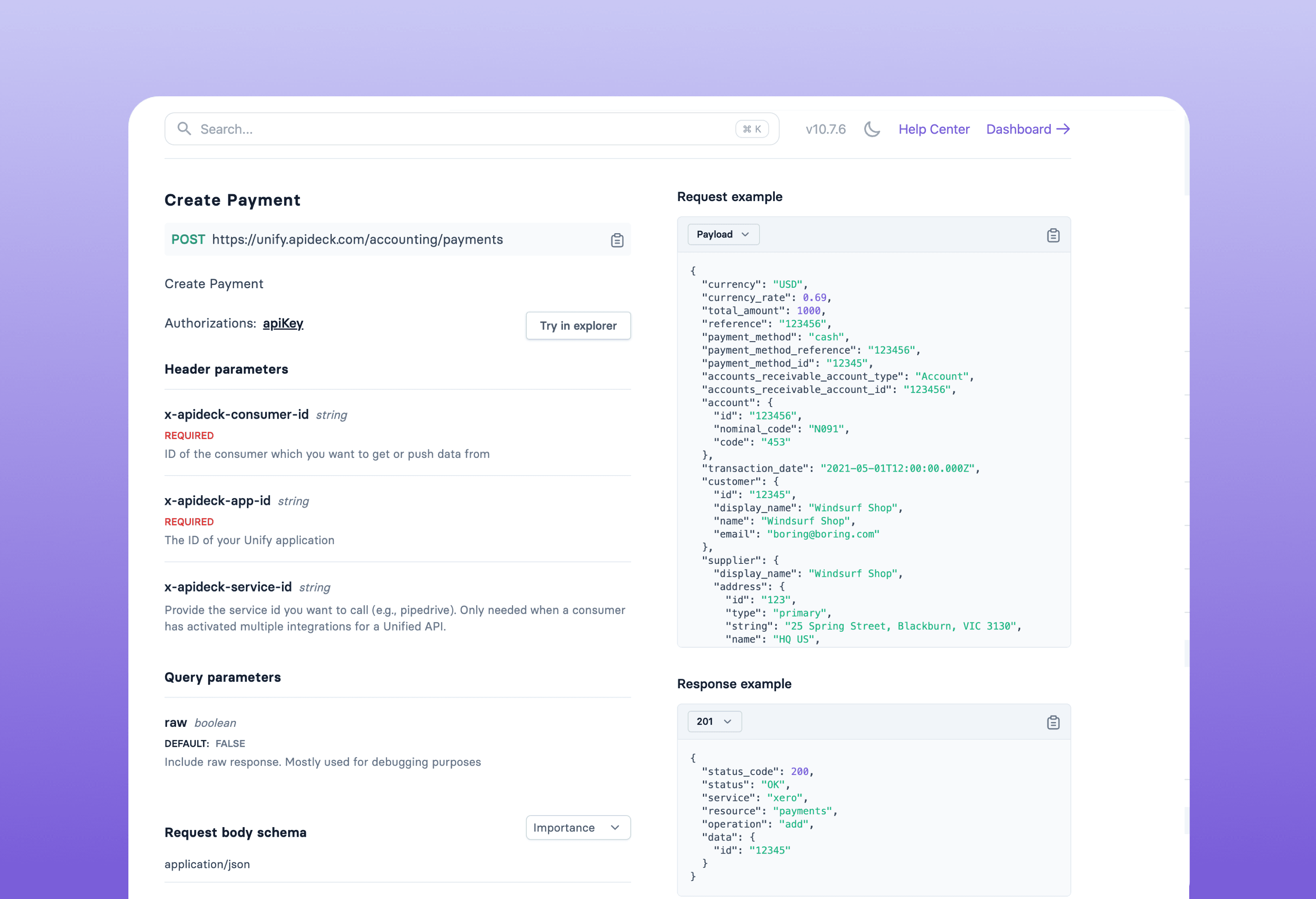
Accounts Payable Automation
Create vendors, ingest bills with line-item ledger account coding, and record bill payments across QuickBooks, Xero, NetSuite, and Sage Intacct.
Accounts Receivable Automation
Push customers, invoices, and payments into QuickBooks, Xero, NetSuite, and Sage Intacct from a single Apideck Accounting API integration.
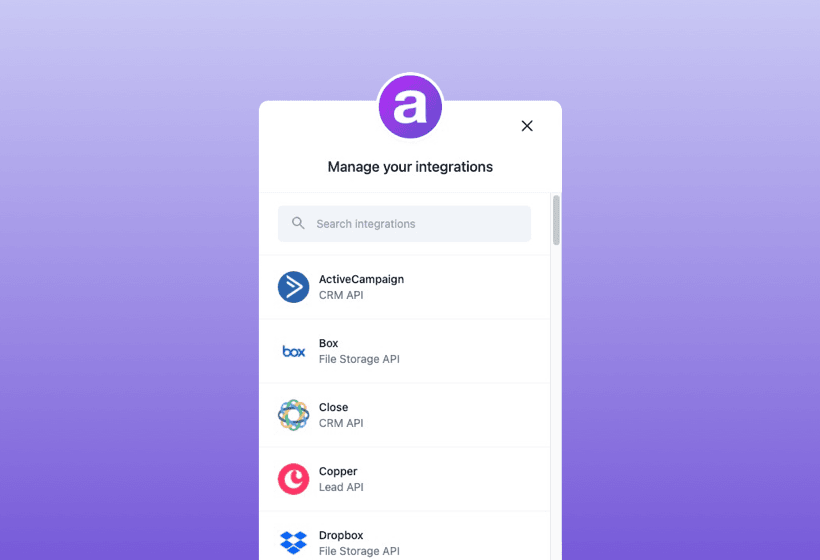
Authorize Connections
There are multiple ways of allowing your customers to authorize connections. Learn more about the different options.

Building a Ledger Account Mapping UI
How to build a mapping interface between your expense categories and downstream accounting ledger accounts.

Building Accounting Integrations for Expense Management Platforms
Complete blueprint for expense management platforms, corporate card providers, and neobanks to integrate with accounting systems through Apideck.
Business Lending with the Accounting API
Pull balance sheet, P&L, cash flow, AR, and AP from a borrower's accounting system for credit underwriting via Apideck's Accounting API.

Calling Connector-Native Endpoints with the Proxy API
Forward authenticated requests to a connector's native API for fields and operations not covered by the Unified APIs. Auth via Apideck Vault.
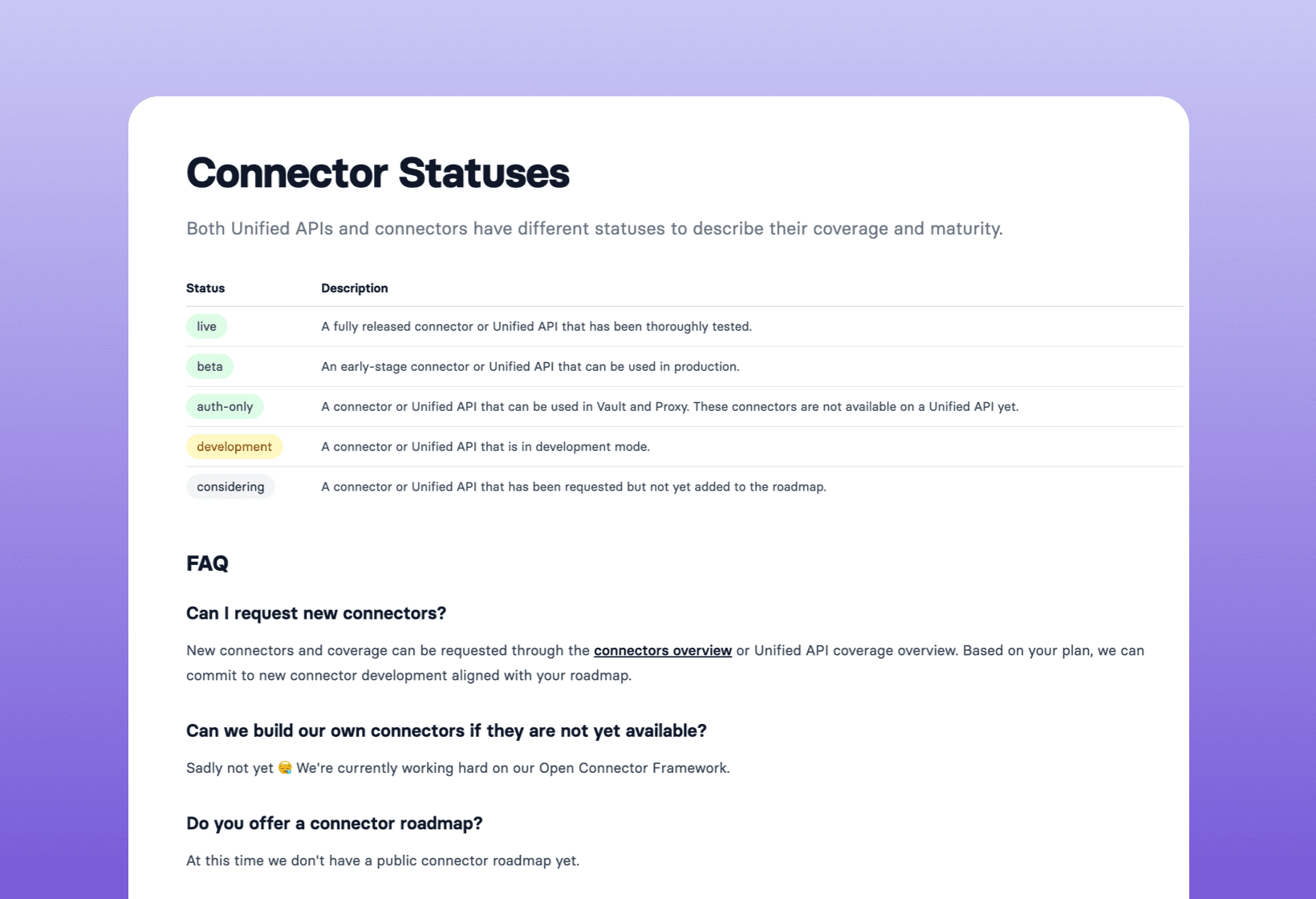
Connector Statuses
Learn the different statuses of Unified APIs and connectors to understand their coverage and maturity.
Data Scopes for Accounting
Control field-level access for Accounting data with Data Scopes to enforce least privilege and improve security.
Data Scopes for HRIS
Control field-level access for HRIS data with Data Scopes to enforce least privilege and improve security.
Debt Collections with the Accounting API
Pull aged receivables, identify overdue invoices, and update invoice status after collection events via the Apideck Accounting API.
End-user Consent
What to show your users before they connect a system through Apideck, and what to cover in your own terms and privacy policy.
Field Mapping
Learn how to extend the Apideck models and map fields from the integrations to have them returned by the Unified APIs.
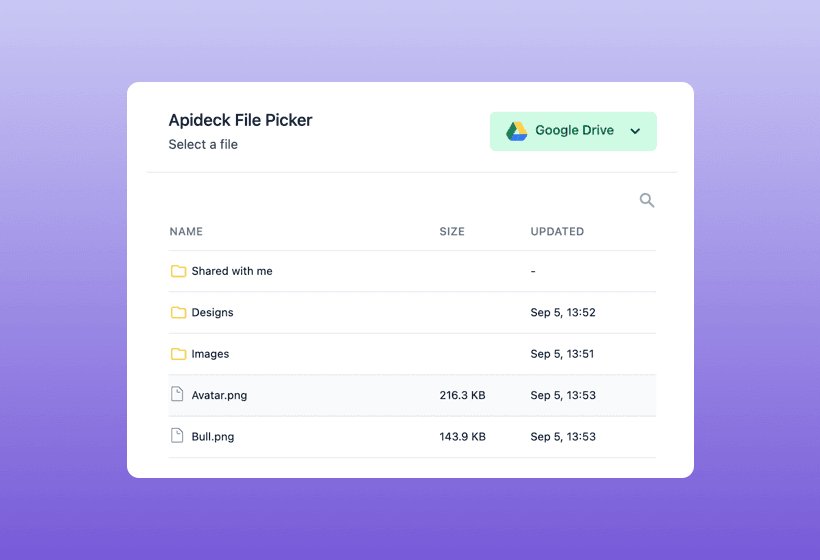
File Picker
Add a file browser and uploader to your React application with the File Picker component.
FP&A: Budgeting, Forecasting, and Variance Reporting with the Accounting API
Pull period actuals, segment by tracking dimensions, and feed budget-vs-actuals dashboards and rolling forecasts from a single Apideck Accounting API integration.
FX Payments and Realized Gain/Loss with the Accounting API
Record cross-currency payments, capture the realized FX rate at settlement, and post realized gain or loss across the Accounting API connector catalog.
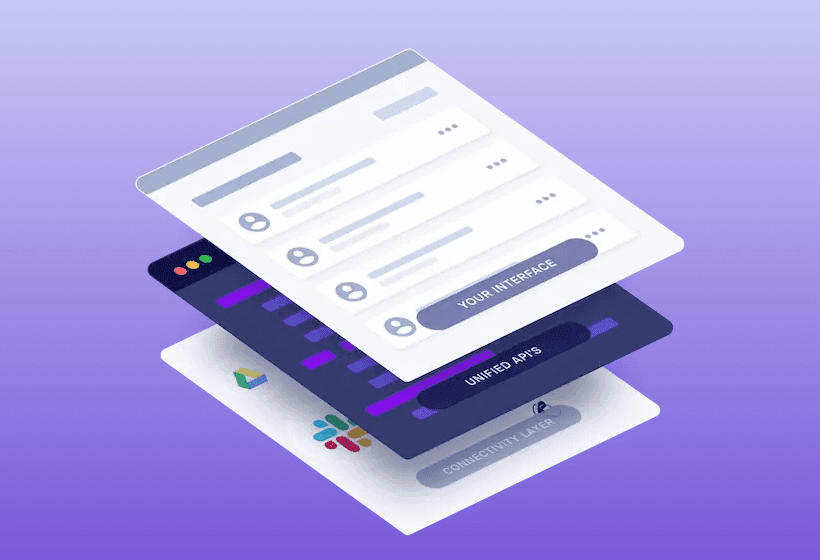
Get Started
Get started Apideck quickly. Make your first Unified API call and start adding integrations to your product.
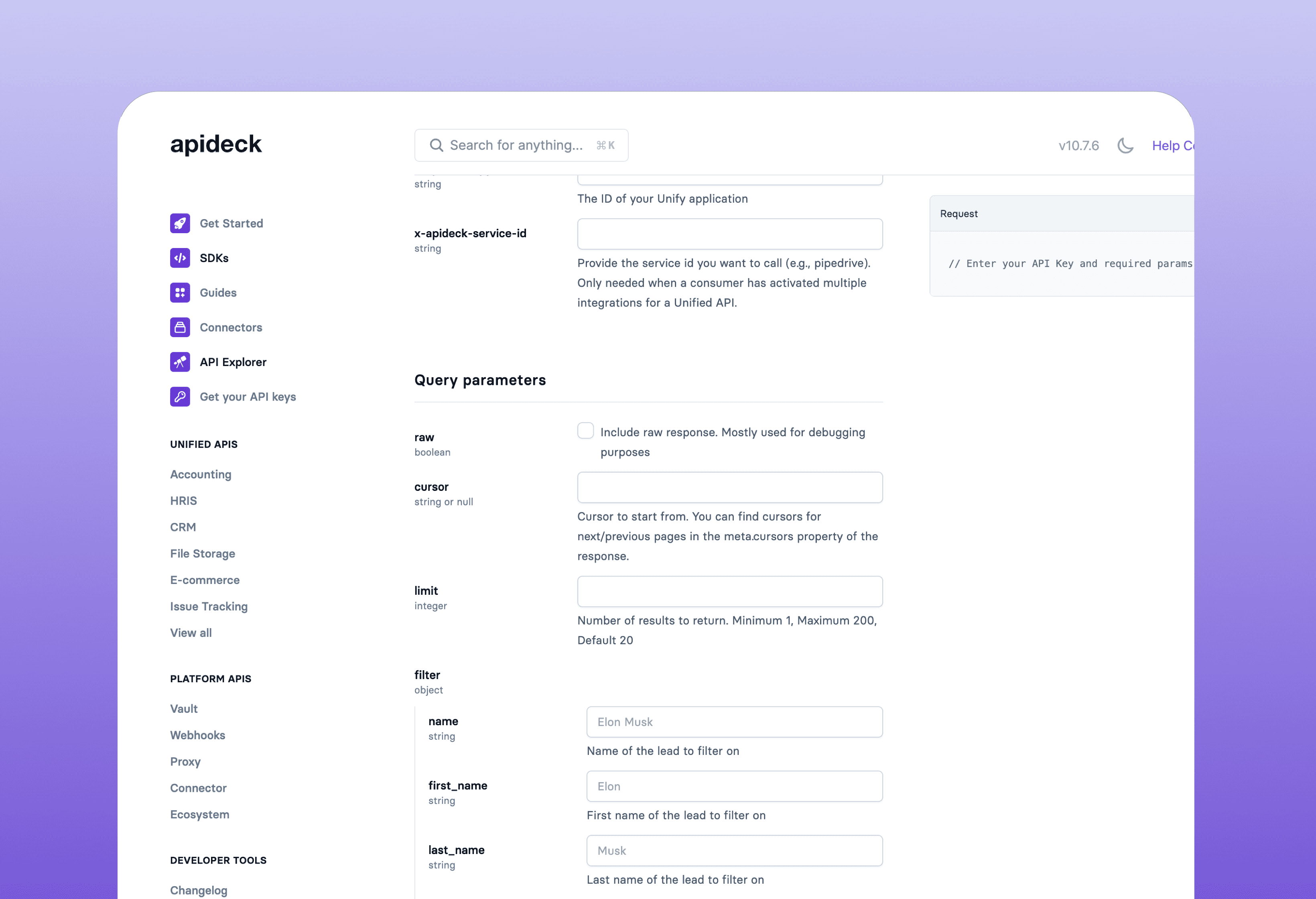
Getting Downstream Responses
How to get the raw response from the Unified APIs to get more details about the downstream API response.
Handling Long-Running Requests
Use x-apideck-timeout on the Proxy API and decide when to switch from unify.apideck.com to longrun.apideck.com for slow downstream calls.
How to Integrate NetSuite Bank Feeds Using Apideck
Step-by-step setup for NetSuite administrators to enable Apideck bank feeds so statements POSTed through the Unify API land in Match Bank Data.
How to Integrate Xero Bank Feeds Using Apideck
Automatically send transaction data from your platform into your users' Xero accounts for seamless reconciliation.
Integrating Expenses and Bills with the Accounting API
Handle Expenses and Bills in accounting integrations. Worked examples with QuickBooks, Xero, Exact Online, and NetSuite using the Apideck Accounting API.
Mark Invoices as Paid
This guide provides a step-by-step procedure for marking invoices and bills as paid.
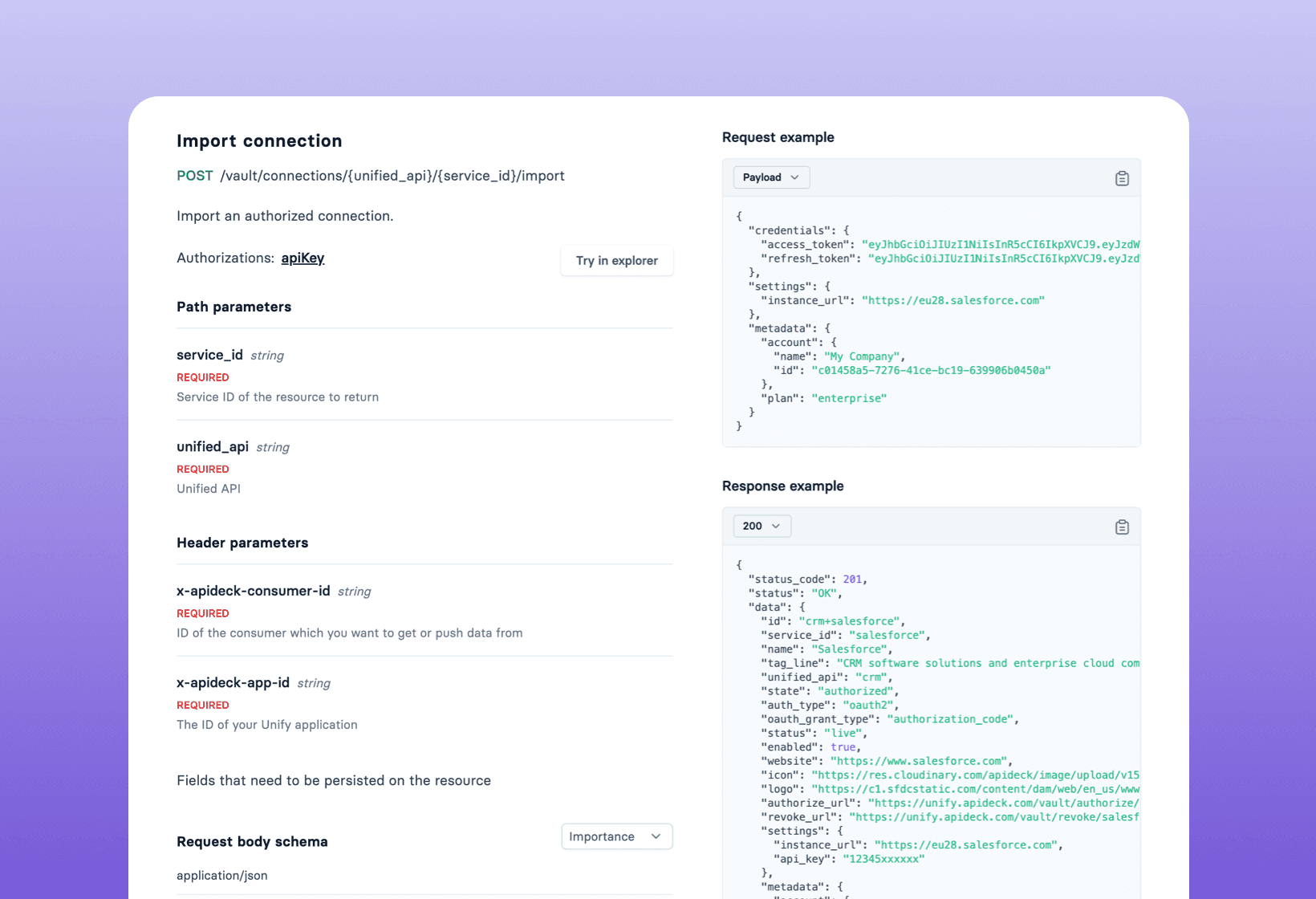
Migrating Integrations
Migrate access tokens and credentials from live integration to Apideck to allow a seamless transition.
Multi-Company Support in Accounting
Switch between companies at request time using the x-apideck-company-id header for accounting connectors that support multi-company.
Multi-Entity Accounting & Tracking Dimensions
How Apideck handles multiple companies, legal entities, and tracking dimensions (departments, locations, subsidiaries) across accounting connectors.
Multi-Entity ERP Behavior
How NetSuite, Sage Intacct, Acumatica, Dynamics 365 BC, and Xero structure entities, return GL data, and handle consolidation and intercompany transactions.
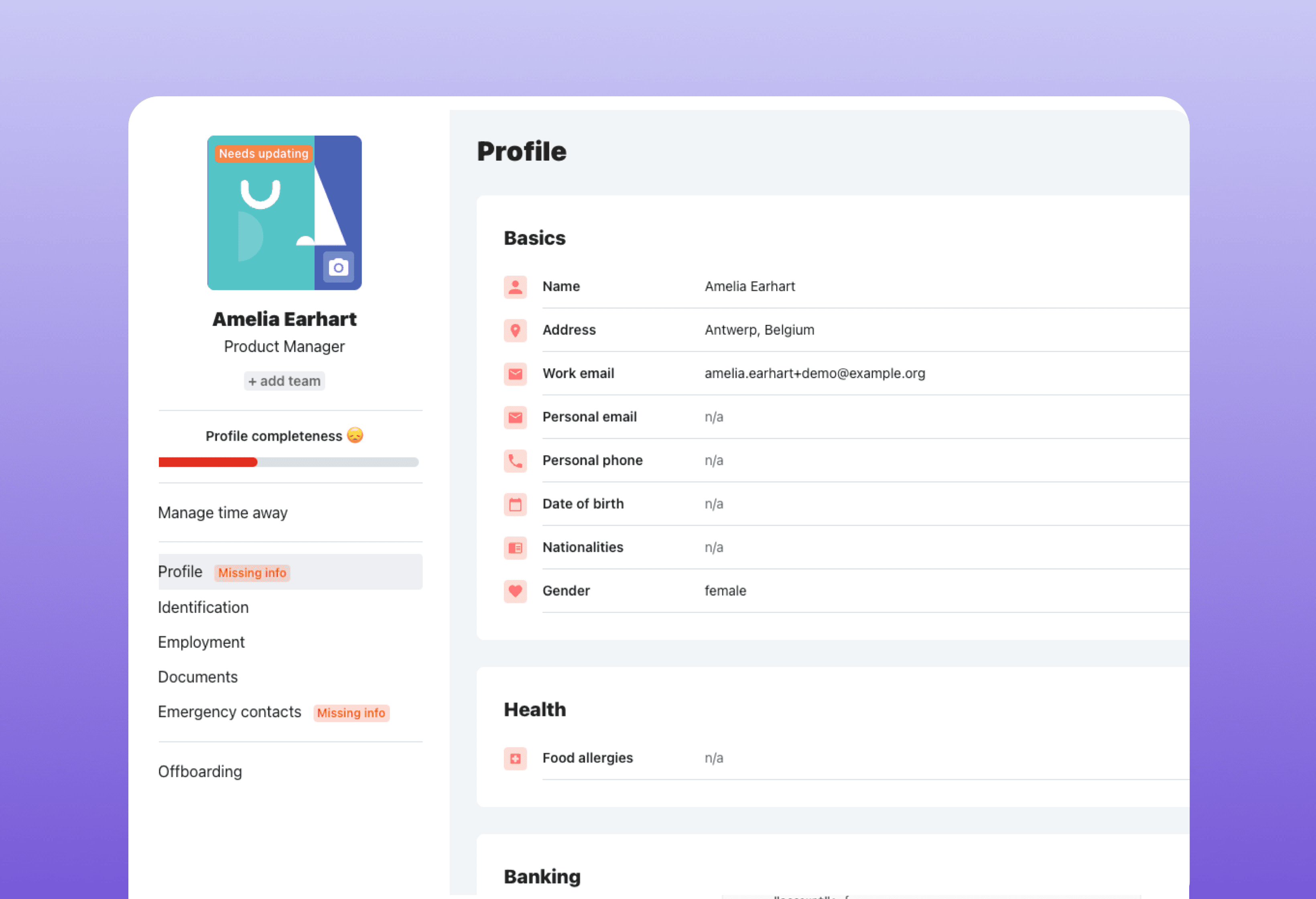
Onboard and Offboard Employees with the HRIS API
Automate syncing employees from any HRIS into your product. Step-by-step guide to onboarding and offboarding flows with the Apideck HRIS API.
Payroll Journal Entries with the Accounting API
Map payroll categories to GL codes and post payroll journal entries into QuickBooks, Xero, NetSuite, and Sage Intacct after each payroll run.
Procurement with the Accounting API
Create purchase orders, convert them to bills on receipt, and track outstanding payables across QuickBooks, Xero, NetSuite, and Sage Intacct.
Push Hired Applicant to HRIS
This guide provides a step-by-step procedure for integrating an ATS with an HRIS.
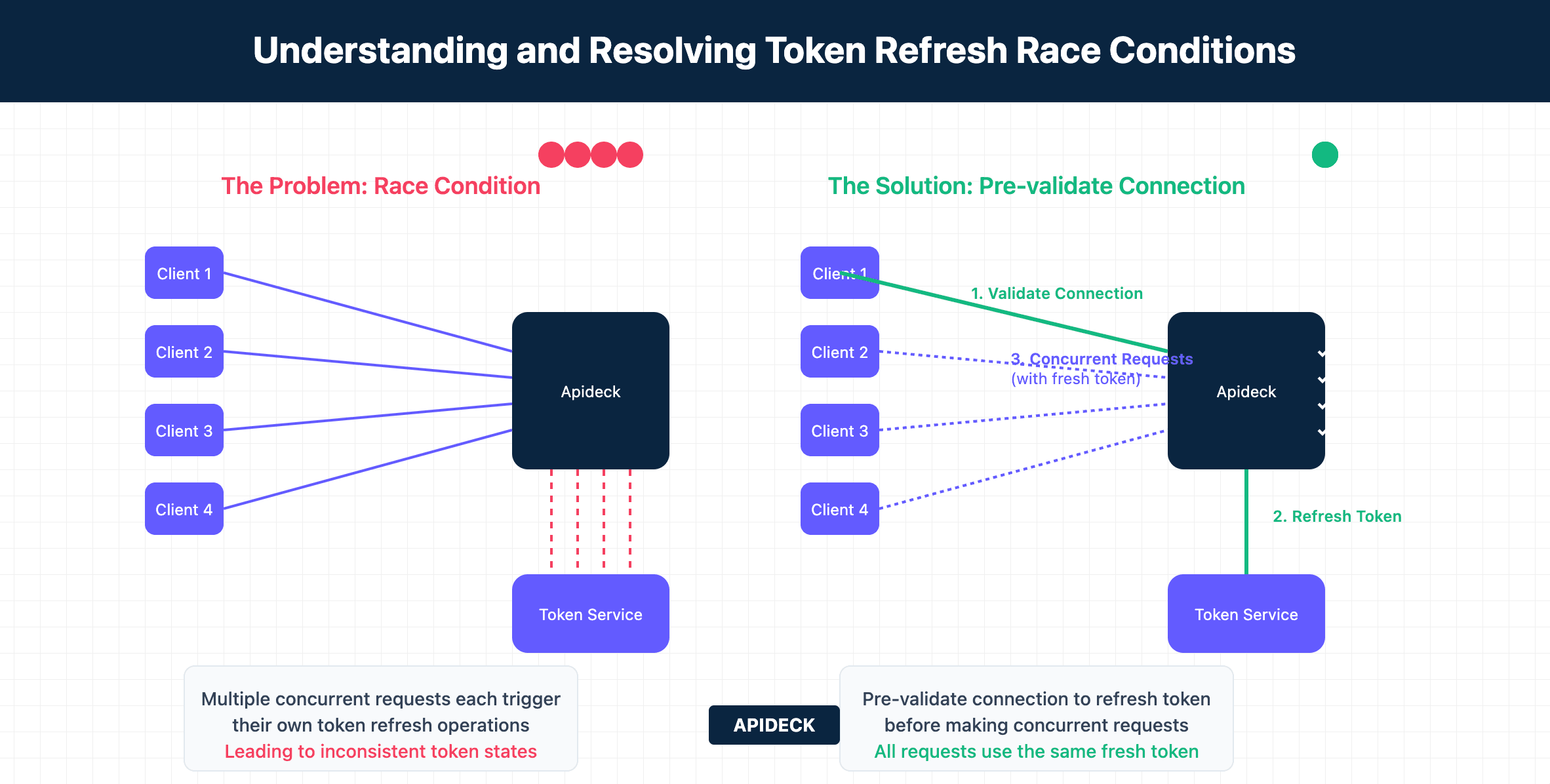
Refresh Token Race Condition
How to handle the refresh token race condition in API Requests for OAuth Connectors like Xero and Salesforce.
SDK migration guide
How to migrate to the new Apideck SDKs including new SDKs for Typescript, PHP, Python, and more.
Sync employees from any HRIS with the unified HRIS API
Companion to the hris-employees-sync sample app. Covers full import, ID-cherry-pick, and department-filtered sync with email-based dedup across BambooHR, HiBob, Workday, Personio, Sage HR, and Gusto.
Sync transactions into accounting platforms with Bank Feeds
Push transactions from your platform into accounting systems for automated reconciliation across Xero, NetSuite, Sage Intacct, Odoo, Campfire, and 7 more connectors, with QuickBooks in development.
Syncing Accounting Data at Scale
Backfill historical data, run an incremental sync with updated_since high-water marks, and reconcile deletes — with cursor pagination, timeouts, rate limits, and webhooks for large accounting syncs.
Tax Automation with the Accounting API
Pull tax rates and codes, attach them to invoice and bill line items, and sync tax liability journal entries across major accounting connectors.
Tracking Dimensions: Departments, Locations & Subsidiaries
How to use departments, locations, subsidiaries, and tracking categories for segmented reporting across accounting connectors

Understanding Consumers
Learn what consumers are, how active consumers affect billing, and how to structure consumer IDs for your integration.
Unified Pass Through
Extend requests to handle specific needs of different services that are outside the Unified Model.

Unified Rate Limits
Learn about the different rate limit headers that are returned by the Unified APIs and how to handle them.
Uploading Files
Upload files to File Storage connectors such as Google Drive, Box, Sharepoint, OneDrive and Dropbox.
Using Journal Entries and Expenses with Ledger Accounts in Workday
Complete guide to managing journal entries and expenses in Workday via Apideck's unified Accounting API.
Using Journal Entries and Expenses with Microsoft Business Central
Complete guide to managing journal entries and expenses in Microsoft Dynamics 365 Business Central via Apideck's unified Accounting API.
Vault
Easily embed Apideck Vault into your application with NPM packages for React, Vue, or vanilla JavaScript.
Vault Connection States
Learn about the different Vault connection states, the meaning of each state and how to handle them.
Webhook Signature Verification
Learn how to verify webhook signatures to ensure events were sent by Apideck and prevent tampering.
Webhooks
Learn about Unify webhooks to receive real-time updates from Unified APIs with native and virtual webhooks.